Advising Families on Multigenerational Giving Strategies

For many wealthy families, philanthropy is about more than deciding which charities to support. It is an opportunity to pass on values, create a shared sense of purpose and make giving an enduring part of the family’s identity.
As wealth passes between generations, families need to consider how to bring different perspectives together, involve younger family members and put structures in place to support their philanthropy over time.
For private client advisors, these conversations offer an opportunity to integrate philanthropy into wider wealth and succession planning.
Here are five considerations when advising families on multigenerational giving.
1. Establish a shared purpose
Start by understanding what the family wants its philanthropy to achieve. Some may wish to continue a long tradition of giving, while others may be developing an approach for the first time following a business sale or inheritance. Different generations may have different priorities, from education and healthcare to climate change and social mobility. The aim is to identify shared values while allowing individuals to pursue their own interests.
2. Involve the next generation early
Younger family members should have opportunities to participate in philanthropy before they inherit responsibility for it. This could mean involving them in family giving discussions, arranging visits to charities, researching causes or giving them responsibility for recommending grants. Practical involvement helps younger generations develop their own philanthropic interests and understand the impact their family’s wealth can have.
3. Put appropriate governance in place
As family philanthropy grows, informal decision-making can become more complicated. Families should consider who will recommend and approve grants, how different generations will participate and how disagreements will be managed. This does not need to involve complex structures. Regular family meetings, agreed giving priorities and clearly defined responsibilities can provide a useful framework.
The aim is to support continuity without making philanthropy unnecessarily bureaucratic.
4. Choose a structure that can evolve
Families can organise their giving in several ways, including direct donations, charitable trusts and foundations, or donor-advised funds (DAFs). A standalone foundation may bring ongoing governance, administrative and legal responsibilities. A DAF offers a more straightforward alternative. Families can establish a named charitable fund, contribute assets and recommend grants to eligible charities, while the sponsoring charity manages administration, compliance and grantmaking.
DAFs can also support multigenerational giving through arrangements such as successor advisors, allowing family members to continue recommending grants after the original donor’s lifetime.
5. Plan for continuity and change
A successful strategy needs to balance the family’s original intentions with the flexibility for future generations to develop their own priorities. Families should periodically review their charitable objectives, giving budgets and grantmaking approach, while ensuring succession arrangements are properly documented and considered alongside wider estate planning.
Making philanthropy part of the family’s wealth strategy
Multigenerational philanthropy offers families a way to bring wealth and purpose together, creating opportunities for generations to work towards shared goals and contribute to society. For private client advisors, the role is not simply to recommend a charitable structure, but to facilitate conversations, understand different family aspirations and put practical arrangements in place.
When integrated into wider wealth and succession planning, philanthropy can become an enduring part of a family’s legacy. At NPT UK, we work with families and their advisors to establish flexible philanthropic structures that support giving today and across future generations. To find out more, please contact us.
About the Author
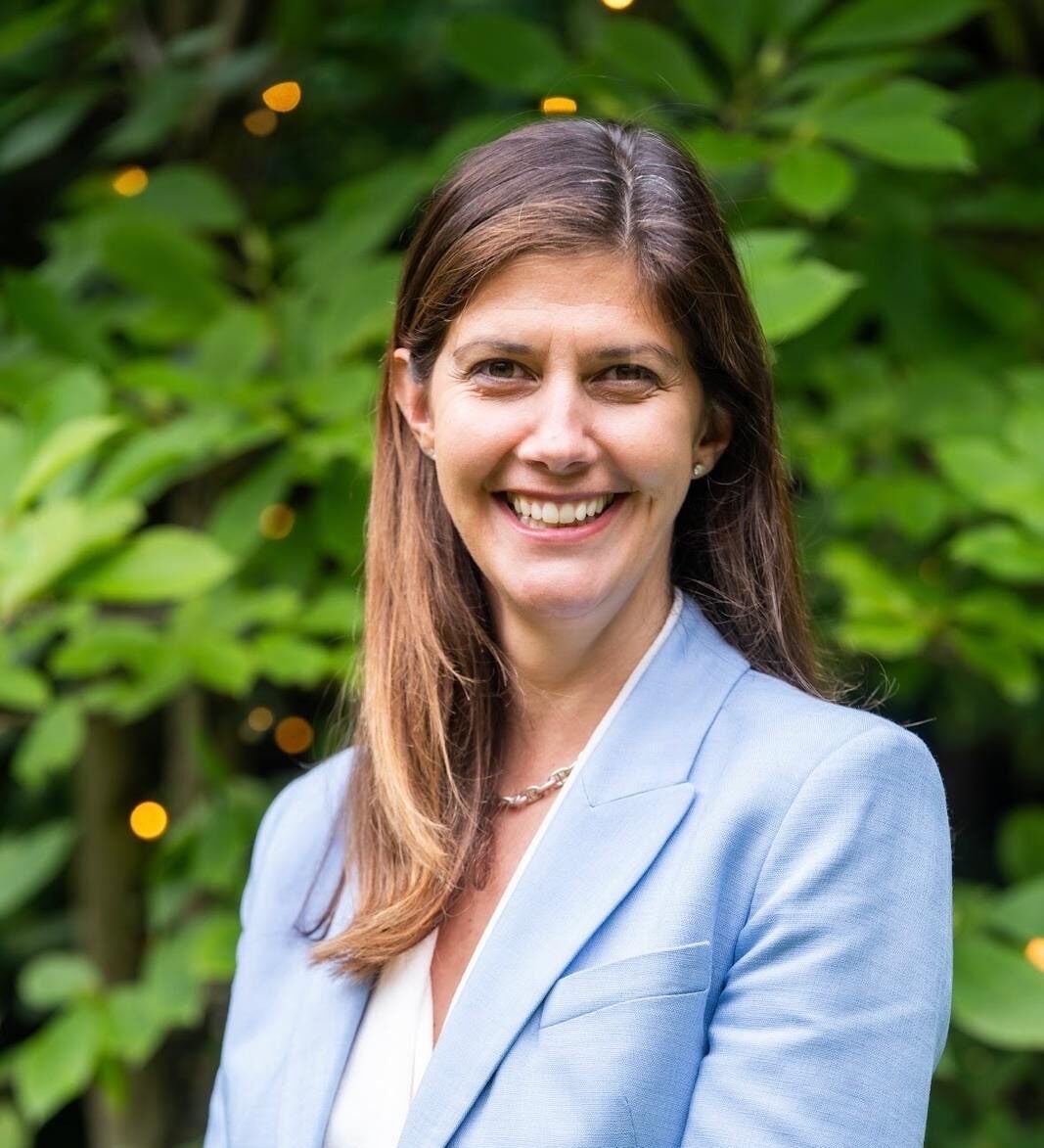
Natalie Pinon is serving as Interim CEO of National Philanthropic Trust UK, having previously held the role of Executive Director of Development. Alongside her leadership of the organisation, she continues to provide strategic oversight across development. Ms. Pinon is a senior leader in impact finance with 20 years of experience building and scaling mission-driven organisations across the philanthropy and private sectors. She has worked extensively with family offices and multi-generational global families to support their values-based giving and investing. She is recognised by NatWest WISE100 as a leading woman in impact investment and mission-driven business.
NPT UK does not provide legal or tax advice. This blog post is for informational purposes only and is not intended to be, and shall not be relied upon as, legal or tax advice. The applicability of information contained here may vary depending on individual circumstances.
NPT UK is not affiliated with any of the organisations described herein, and the inclusion of any organisation in this material should not be considered an endorsement by NPT UK of such organisation, or its services or products.