Five Things Your Clients Should Know About Donor-Advised Funds

Donor-advised funds (DAFs) are becoming one of the most popular philanthropic vehicles for clients who want flexibility, tax efficiency, and simplicity in their charitable giving. Unlike setting up a private foundation or trust, a DAF allows donors to focus on impact, while the sponsoring charity handles administration. Here’s what you and your clients should know:
1. A DAF is a cost-effective alternative to a charitable trust or foundation
Setting up a traditional grantmaking trust or private foundation can be costly and administratively complex. With a DAF, the sponsoring organisation (such as NPT UK) takes care of all legal, compliance, reporting and due diligence requirements, meaning your client can start giving sooner and with far less hassle.
2. Clients receive immediate tax benefits
When a donor contributes assets—whether cash, shares or other appreciated assets—into a DAF, they receive immediate UK tax relief on that contribution. This can include Gift Aid, income tax relief on gifts of shares, and other tax advantages, depending on the donor’s situation. For clients paying tax in both the UK and the US, dual-qualified structures, like NPT Transatlantic, can maximise benefits across jurisdictions.
3. Grants can support charities worldwide
One of the advantages of DAFs is their global grantmaking reach. Donors can recommend grants to qualified charities anywhere in the world. The DAF provider handles the necessary due diligence and compliance checks. That lets clients focus on the causes and charities they care about, without the operational burden of grantee due diligence, reporting, and compliance.
4. Assets in a DAF can grow before being granted out
Once contributions are made, clients can recommend how the DAF funds are invested. Investment growth in a DAF is typically tax-free, and many DAF providers offer a range of options including impact-aligned investments. For DAFs with larger balances, clients can open a DAF with NPT UK recommend the investment manager of their choice.
5. DAFs support legacy and family philanthropy
DAFs aren’t just giving tools—they can be philanthropic legacies. Many donors choose to involve family members as DAF advisors or set up succession plans so that children or successors continue the giving strategy into the future. This makes DAFs a powerful way to embed charitable values across generations.
DAFs provide a structured yet flexible way to build a long-term giving strategy: one that can grow over time, support causes globally, and create a lasting philanthropic legacy without the demands of running a private foundation. To find out more about DAFs for your clients, contact us.
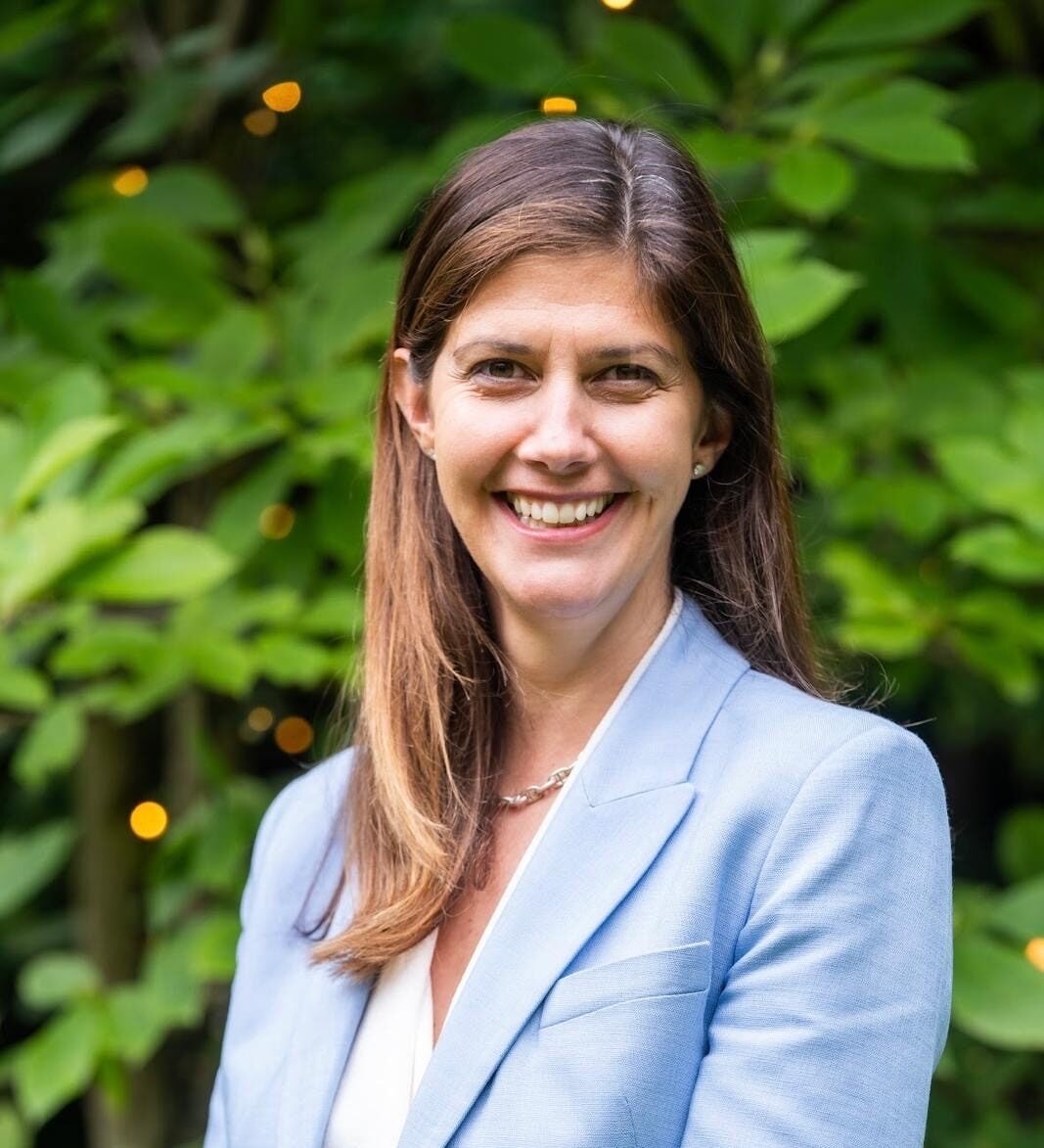
About the Author
Natalie Pinon is serving as Interim CEO of National Philanthropic Trust UK, having previously held the role of Executive Director of Development. Alongside her leadership of the organisation, she continues to provide strategic oversight across development. Ms. Pinon is a senior leader in impact finance with 20 years of experience building and scaling mission-driven organisations across the philanthropy and private sectors. She has worked extensively with family offices and multi-generational global families to support their values-based giving and investing. She is recognised by NatWest WISE100 as a leading woman in impact investment and mission-driven business.
NPT UK does not provide legal or tax advice. This blog post is for informational purposes only and is not intended to be, and shall not be relied upon as, legal or tax advice. The applicability of information contained here may vary depending on individual circumstances.
NPT UK is not affiliated with any of the organisations described herein, and the inclusion of any organisation in this material should not be considered an endorsement by NPT UK of such organisation, or its services or products.